
Integrating Test Automation into CI/CD Pipelines
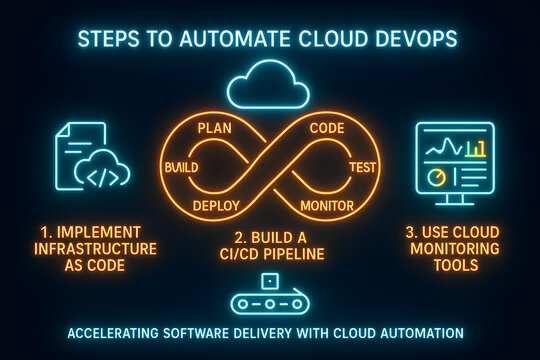
In the current, modern, software development environment, where Continuous Delivery and Continuous Integration (CI/CD) pipelines are the order of the day, test automation has not only become desirable but a necessity to be integrated in the pipeline. However, testing though of critical importance is seldom given the serious attention it deserves as instead of being an essential part of the process it is usually considered a last minute tick-box exercise. This management may result in quality problems, postponed releases and eventually, dissatisfied users.
The Foundation of Modern Software Delivery
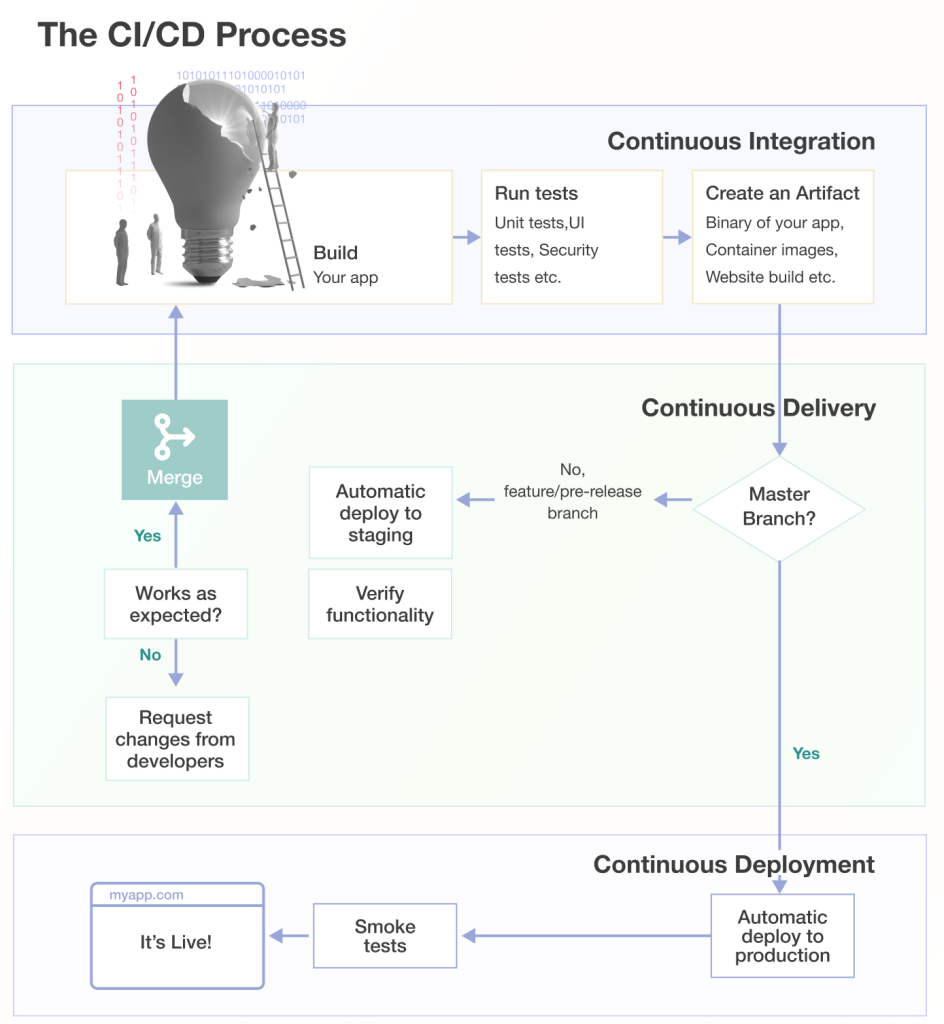
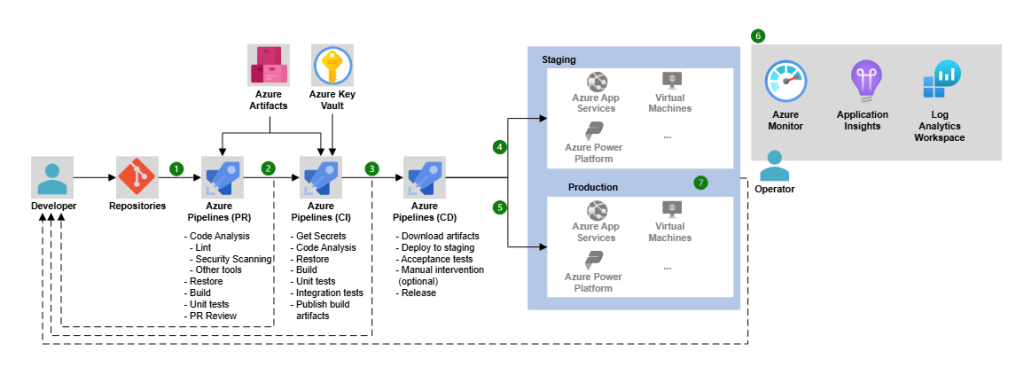
An effective test automation plan is the foundation of effective CI/CD adoption. Automated testing can be used to provide high-quality software quickly and reliably when implemented properly by the team. The smooth transition between the code commit and its production deployment can only be guaranteed through the assurance that is presented by rigorous testing. Practices of modern development require a change between manual and ad hoc testing to automated and continuous validation. It is not just the substitution of human testers with code, this is a shift in the way we view quality assurance in a software development lifecycle.
The Testing Pyramid: A Strategic Approach
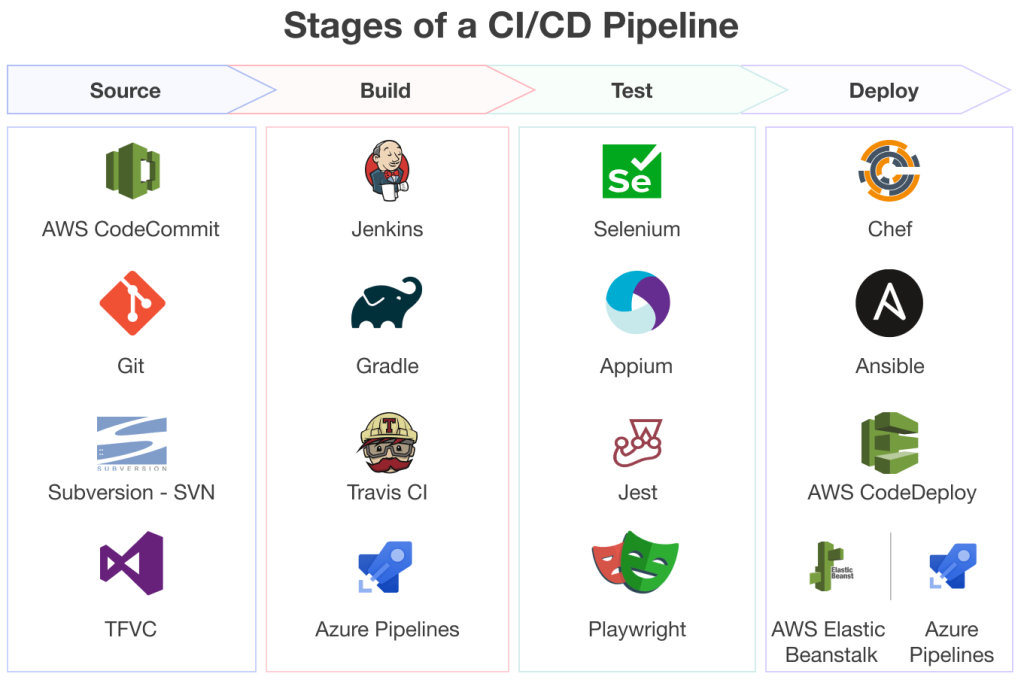
Best practice in CI/CD test automation is based on the testing pyramid model where there is a strong base of many fast-executing unit tests, then fewer integration tests, and finally few end-to-end tests. This design maximizes the coverage and execution time.
At the bottom of the pyramid, the unit tests are used which gives quick feedback on the individual components. They are rapid, detached and targeted tests, functional in nature. The developers can have the immediate validation of their code change by running thousands of unit tests in seconds.
The integration tests are placed in the middle tier and they ensure that the various modules be able to collaborate effectively. These tests are used to make sure that components integrate as required, and detect problems that unit tests may overlook. Although slower than unit tests, they can also offer important verification of system behavior. At the top of the pyramid are the end-to-end tests which recreate the real user interactions of the whole application. They are less in number compared to the others because of their intricacy and execution time but qualify whole workflows and user experiences. They are the last quality gate to deployment.
Strategic Test Selection and Execution
The tests are not required to execute at all levels of the pipeline. The selection of tests is done in a strategic way to ensure maximum coverage and speed. Unit and integration tests should run fast and should be run on each code commit in order to give instant feedback to developers. The test suites can be more comprehensive, such as end-to-end tests, which can be performed during nightly builds or in pre-deployment steps.
Parallel test execution has a drastic impact of decreasing pipeline time. Tests distributed across a variety of environments or containers would allow a team to be informed in a few minutes as opposed to hours. The independence and stateless nature of tests that are required in this parallelization allow the tests to be run in parallel without interfering with one another.
Shift-Left Security and Performance Testing
The current CI/CD pipelines include security and performance testing early in the development cycle- the practice is referred to as shifting left. Instead of considering these concerns as ancillary factors, they are a part and parcel of the development process. Tools used to scan the code and dependencies during security scanning can be embedded into the pipeline to identify vulnerable codes and dependencies before they go to production. Equally, automated performance tests can be used to detect possible bottlenecks and scalability problems at the initial stages when they can be dealt with with much ease and less cost.
Environment Management and Consistency
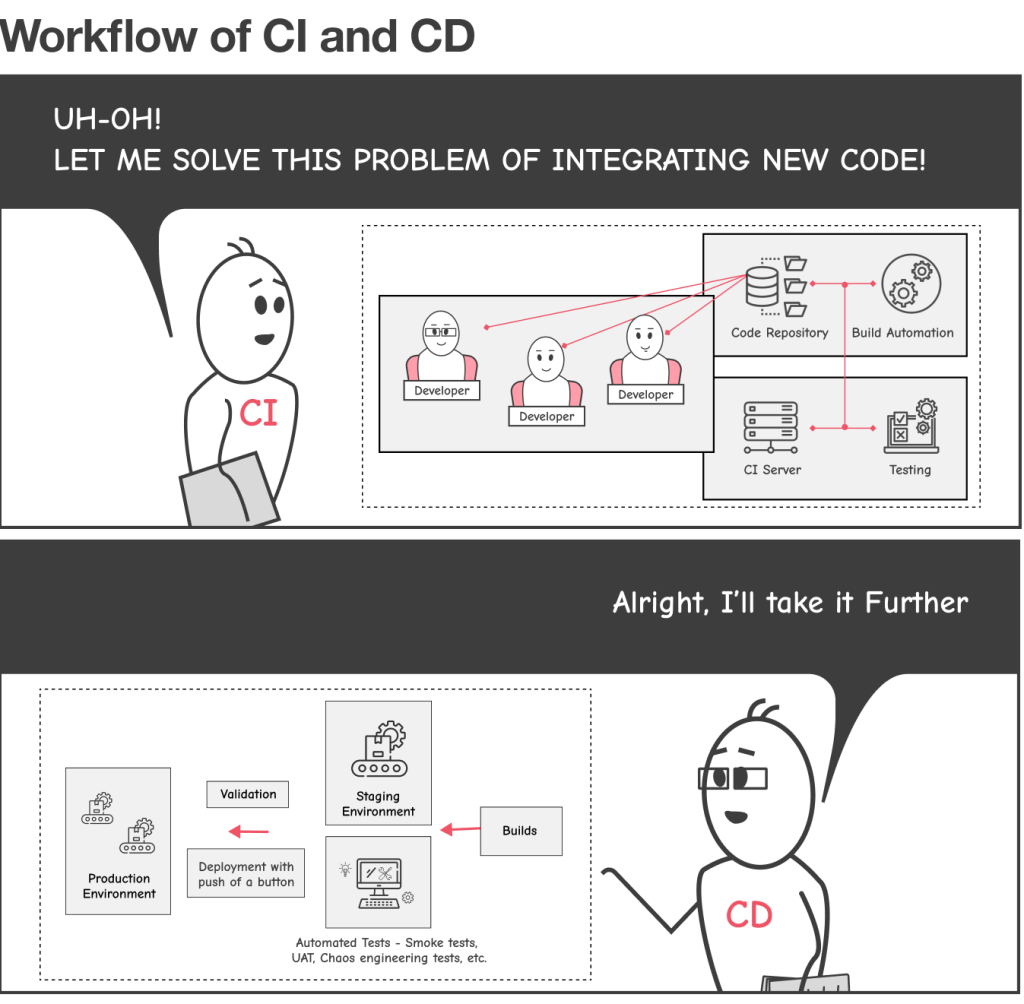
Test environments should be very close to production in order to give credible results. Developments such as container technologies such as Docker facilitate the ability to reproducibly test and isolate environments, removing the work on my machine issue. Infrastructure as Code (IaC) implies ensuring that test environments can be recreated and that all pipeline phases are consistent.
Test automation is faced with special data management issues. Tests must have realistic data that does not expose sensitive information. The concept of strategies in ensuring test isolation, and repeatability are anonymized production data, synthetic data generation, and data reset mechanisms.
Monitoring and Continuous Improvement
An effective test automation plan has both extensive monitoring and reporting. Dashboards with test results, coverage, and performance trends are also used to give a visibility of the status of the application and the testing process itself. Flakiness of tests failing randomly without any modifications to the code is counterproductive to pipeline confidence. To ensure the reliability of the pipelines, it is necessary to identify and deal with flaky tests by better isolation, or by means of test refactoring or test retry.
Cultural Transformation
The most difficult part of the implementation of test automation into CI/CD is perhaps the cultural change that is needed. Quality is an all-encompassing thing and is not the prerogative of the quality assurance team. Tests are written by developers of the code, the operations team works on the test environment management, and product owners help in writing acceptance criteria which are used to develop tests.Such a teamwork strategy will eliminate the silos between development, testing and operation to promote a common agenda of providing quality software. Frequent reflection and constant betterment efforts make sure that the testing strategy is modified in accordance with the application and business requirements.
Conclusion
Automation of tests in the CI/CD pipelines is a process and not a goal. It should be continuously invested in, adjusted and modified. The spoils, though, are high: the delivery cycles are shortened, and the quality of software is improved, the risk is decreased, and the customer satisfaction is enhanced.
The testing strategies should evolve as the development practices and technologies keep changing. The most successful organizations consider test automation as a continuation of the software development process rather than an isolated practice a view that places them in the position to achieve further success in a highly competitive environment.
With automated testing permeating the CI/CD pipeline, teams will be able to reach the apparently paradoxical state of accelerating the process without sacrificing or even deteriorating quality. This is not only desirable in the digital economy of today thus it is a survival and success requirement.